
If you’ve been stocking up on ammo lately, you’ve probably noticed the price tags and wondered how to stretch your budget without sacrificing too much trigger time. Remanufactured ammunition keeps popping up as a solid middle-ground option—cheaper than fresh factory stuff but supposedly reliable enough for most shooters. But is it actually safe? How does it stack up against reloads or brand-new rounds? And when does it make sense to run it through your gun?
At American Rifle Depot, we talk with shooters every week who want more range time on their AR-15 without burning through a premium ammo budget. Here’s the straight talk: when reman ammo comes from a reputable maker, it can be a game-changer for training and plinking—especially through a reliable platform in 5.56, .300 Blackout, or 9mm. Let’s walk through it so you can decide for yourself.
Train harder on platforms built for it
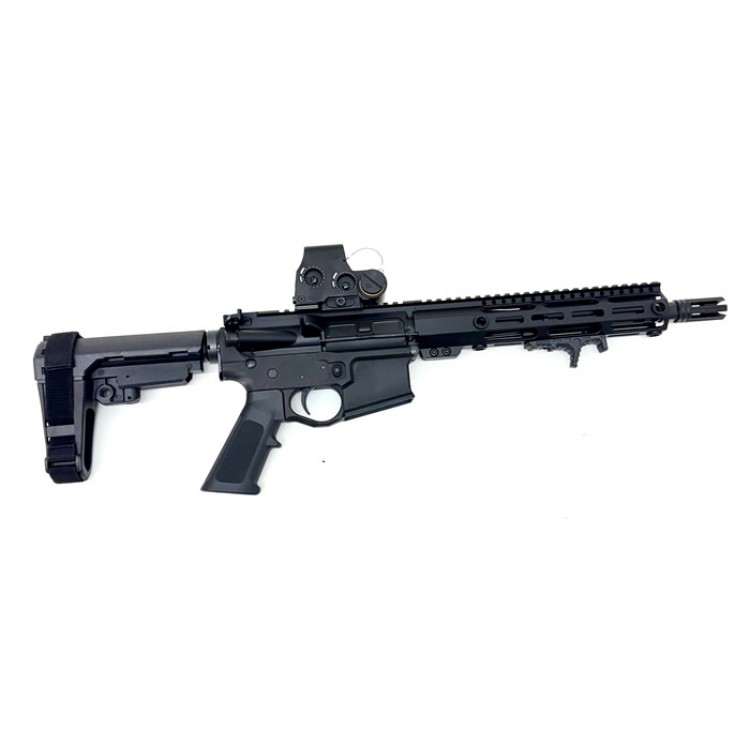
Pair budget reman with complete AR builds from AR15 Depot—ready for high-volume range days in the calibers shooters run most.
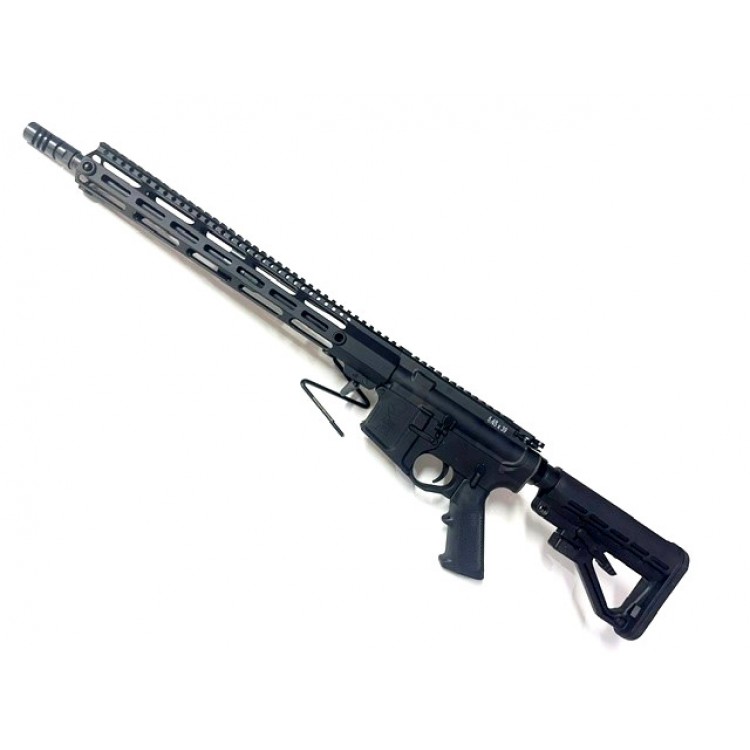
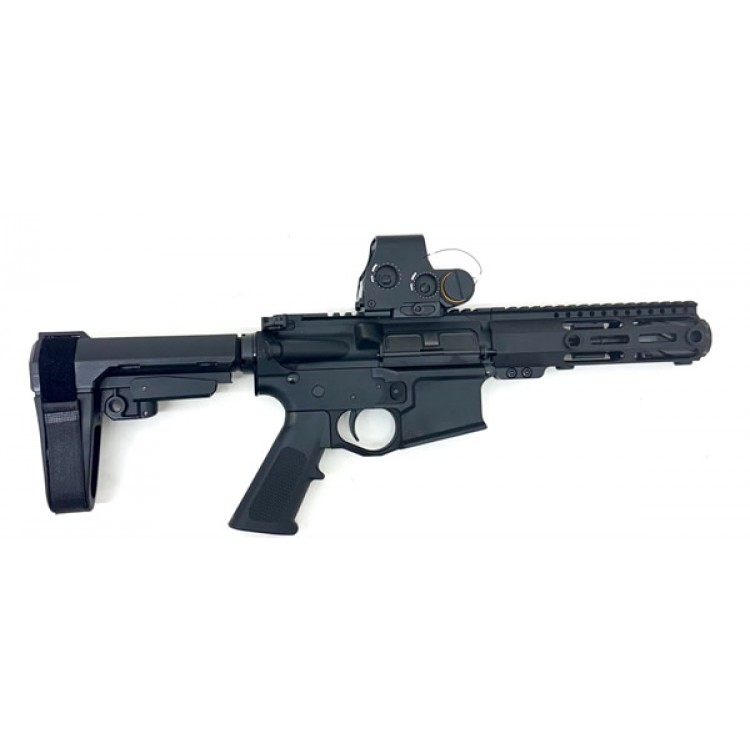
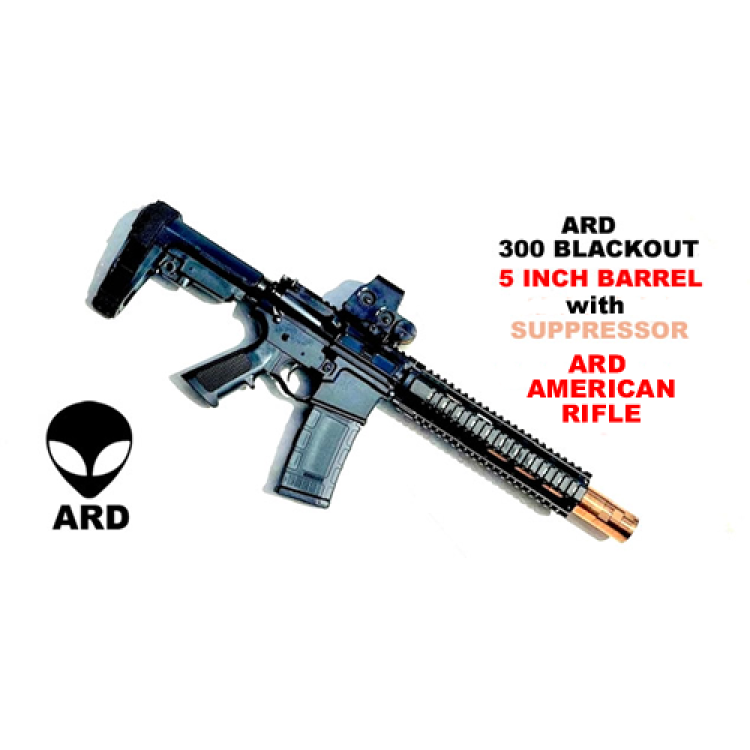
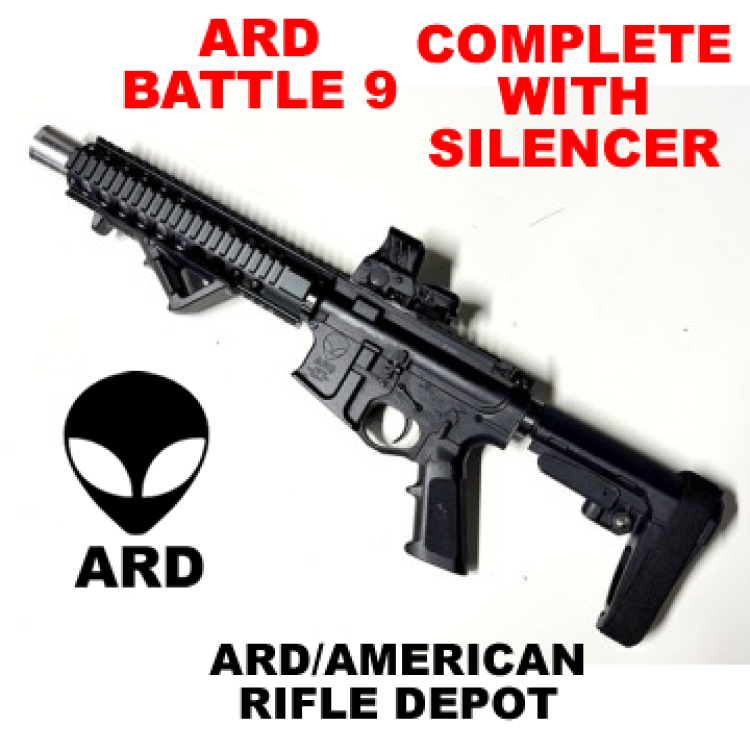
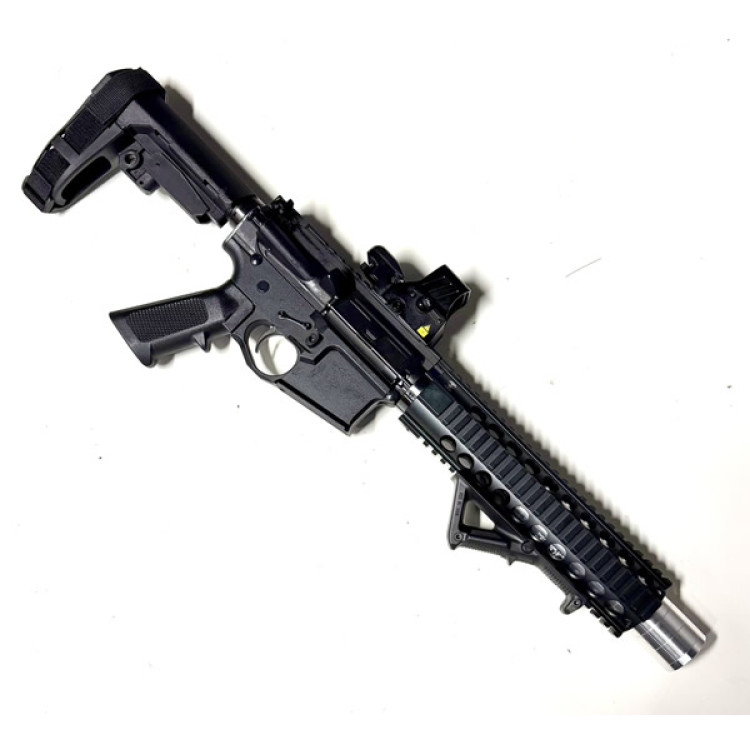
Browse more complete rifles, uppers, barrels, and silencers at ar15depot.com.
What Exactly Is Remanufactured Ammunition?
At its core, remanufactured (or “reman”) ammo takes once-fired brass casings—usually collected from ranges or previous production—and gives them a second life. The spent cases get thoroughly cleaned, inspected, resized, and de-primed. Then they’re loaded with brand-new primers, powder, and bullets.
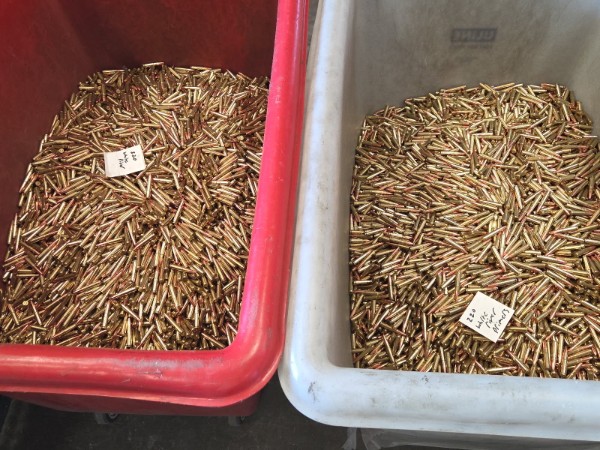
This isn’t some backyard project. Reputable commercial manufacturers use industrial equipment with strict quality controls, sorting brass by headstamp, checking for cracks or defects, and testing dimensions. The end result often looks and performs a lot like new factory ammo, just at a noticeably lower price point.
The brass is typically “once-fired,” meaning it’s been shot only once before reloading. That limits the stress on the case compared to multiple reload cycles—useful when you’re putting hundreds of rounds through an AR in a single session.
Remanufactured vs. Reloaded vs. Factory New: Clearing Up the Confusion
People often mix up these terms, but they’re not the same:
- Factory New: Everything is fresh—new brass, new everything. Tightest tolerances and consistency out of the box, but you pay a premium.
- Remanufactured: Commercial operation using inspected once-fired brass + new components. Standardized processes, high-volume production, and QC checks designed for sale. Many shooters find it indistinguishable from new for general use.
- Reloaded (Handloads): Usually done by individuals on personal presses. Quality depends entirely on the reloader’s skill and setup. Great for customization if you’re experienced, but riskier if buying from unknown sources.
The big takeaway? Commercial reman sits between the two—more consistent than most hobby reloads thanks to better equipment and inspection, but more affordable than pure new production. That makes it a natural fit for AR training days where volume matters more than match-grade groups.
Is Remanufactured Ammo Safe?
This is the question that always comes up, and the honest answer is: yes, when you buy from a trusted manufacturer. Professional reman operations inspect every case for cracks, bulges, corrosion, or out-of-spec dimensions. They discard anything questionable and run automated checks during loading.
That said, there are risks with any ammo:
- Poorly made stuff from shady sources can have inconsistent powder charges, weak crimps, or overlooked case defects.
- Some firearms (especially certain older or finicky models) may be pickier about it.
- Always do a quick visual inspection before shooting: look for dents, improper seating, or anything off.
Reputable brands follow SAAMI specs and stand behind their product. Many shooters—including competition folks and instructors—run thousands of rounds of quality reman without issues. The key is knowing your source—and once you’re confident in that, the next question is usually consistency.
How Consistent Is It Shot-to-Shot?
For everyday range work, good reman ammo holds up well. You might notice slightly wider velocity spreads than premium factory loads (think 30–45 fps vs. under 15 fps for top-tier new ammo in some tests), but for most training distances and drills, the difference is negligible.
Factors that affect consistency include brass condition, uniform powder charges, and bullet seating depth. Stick to one reliable brand/batch when possible, keep your gun clean, and test a box before buying in bulk. For high-volume practice—especially in popular calibers like 5.56 and 9mm—it often delivers plenty of reliability while letting you shoot more for the same money.
Why Shooters Love Reman (and When to Use It)
The main draw is obvious: cost savings. You can often shave 20–30% (or more) off the price per round, which adds up fast when you’re burning through hundreds or thousands at the range. That means more reps, better skills, and fuller training sessions without draining your wallet.
It’s ideal for:
- Range plinking and skill-building on your AR
- High-volume training days
- Times when factory ammo is scarce or overpriced
- Working a new complete rifle or pistol into reliability before you trust it for serious use
For carry, hunting, or precision competition, many folks still prefer factory new for the peace of mind and tightest performance. But for putting rounds downrange to stay sharp? Reman is hard to beat when sourced right. A few smart buying habits make that even more reliable.
Smart Buying Tips for Reman Ammo
- Stick to known names with good reviews and transparent processes (brands that emphasize inspection and commercial standards).
- Check reputation—forums, Reddit, range buddies, and recent feedback matter.
- Inspect before use—even good ammo deserves a quick once-over.
- Start small—test a box or two in your specific firearm, whether that’s a 16" 5.56 rifle or a short .300 BLK pistol.
- Store properly—cool, dry conditions keep it reliable longer.
Avoid anything that seems suspiciously cheap or comes from sellers with red flags like lost licenses or consistent complaints.
Bottom Line: Worth It?
Remanufactured ammo isn’t magic, but it’s a practical, budget-friendly tool in the modern shooter’s kit. When produced professionally, it delivers solid performance for training while helping you get more trigger time on target. The savings and environmental angle (reusing brass) are bonuses too.
At the end of the day, know your gun, know your ammo source, and listen to how it runs. If it feeds, fires, and ejects cleanly with good accuracy for your needs, you’re golden—and you’ve got more money left for the next range day.
Ready to put that training plan to work? Shop complete AR-15 rifles, pistols, uppers, barrels, and silencers at American Rifle Depot, or call 561-724-4466 if you want help matching a caliber and build to how you actually shoot.