
What Makes a Quality AR-15? Materials & Build Quality
What Makes a Quality AR-15? Understanding Materials, Build Quality, Accuracy and Durability
Featured Image: ARD 16" 5.56 Complete AR-15
Image Alt: ARD 16 inch 5.56 complete AR-15 rifle
When shopping for an AR-15, it can be difficult to understand why some rifles cost hundreds of dollars while others cost significantly more. The answer is not simply the brand name or appearance. The materials, machining, barrel construction, component selection, fit, finish, and manufacturing standards all contribute to the quality of an AR-15.
At American Rifle Depot (ARD), customers can explore complete AR-15 rifles, complete uppers, barrels, handguards, upper parts, lower parts, and other components in a variety of configurations and calibers. The current AR15Depot catalog includes 5.56, .300 Blackout, 7.62x39, 9mm, 5.45, .458 SOCOM, .350 Legend, and other AR-platform options.
But what should you actually look for when evaluating an AR-15?
The answer starts with the details.
AR-15 Quality Starts With the Materials
A quality AR-15 is built from components selected for their intended application.
The receiver, barrel, bolt components, handguard, and other parts each have different jobs. Choosing appropriate materials is therefore an important part of building a consistent platform.
For example, specifications such as 7075-T6 aluminum, Carpenter steel, and 4150-series barrel steel can tell you more about a component than appearance alone.
Material selection is only the beginning, though. Manufacturing quality, machining precision, finishing, inspection, and component fit are equally important.
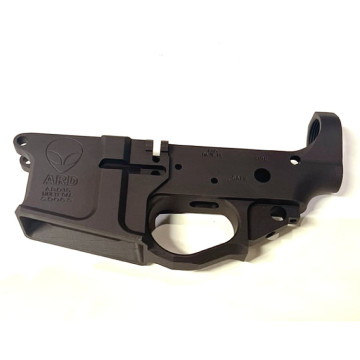
7075-T6 Aluminum Receiver Construction
The receiver provides an important structural foundation for the AR-15 platform.
7075-T6 aluminum is widely used for firearm components because it offers a strong combination of strength and relatively low weight. It is particularly useful where manufacturers want a durable component without adding unnecessary weight.
Billet machining can also provide manufacturers with additional design flexibility. A billet component can be precision machined to create specific contours, features, and styling while maintaining controlled dimensions.
When comparing AR-15 receivers, consider both the material and manufacturing method rather than judging the component solely by its appearance.
Precision Machining and Manufacturing
Quality materials need to be manufactured correctly.
Precision machining allows manufacturers to produce components with consistent dimensions and carefully controlled surfaces. Consistency becomes particularly important when individual components are assembled into a complete AR-15.
Manufacturing quality can involve:
- Material selection
- CNC machining
- Dimensional consistency
- Surface finishing
- Component fit
- Inspection and quality control
These details may not always be obvious once a rifle is assembled, but they are part of the foundation of a quality build.
Barrel Quality Matters
The barrel is one of the most important components to consider when evaluating an AR-15.
ARD offers barrels in multiple lengths and configurations, including 16-inch, 18-inch, 20-inch, 24-inch, pistol barrels, 9mm barrels, .300 Blackout barrels, and 7.62x39 barrels.
Different configurations can serve different applications, which is why barrel selection should be considered alongside caliber, intended use, and the rest of the build.
4150 Steel and Barrel Construction
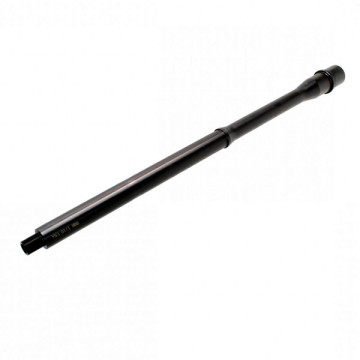
4150-series steel is commonly used in rifle barrels because of its strength and durability characteristics.
However, identifying the steel alone does not tell the entire story.
Barrel quality also depends on manufacturing consistency, bore and rifling quality, dimensions, surface treatment, inspection, and overall production standards.
This is why two barrels made from similar materials can still differ in overall quality.
When comparing AR-15 barrels, look at the complete specification rather than focusing on a single material designation.
Nitrided Barrels and Surface Treatment
Surface treatment can provide another important layer of barrel protection.
Nitriding is a surface-hardening process that can increase surface hardness and improve resistance to wear and corrosion. When used appropriately, it can contribute to the long-term durability of a barrel's surface.
The important distinction is between the base barrel material and the surface treatment.
A quality barrel specification should be evaluated as a combination of material, manufacturing, rifling, dimensions, and treatment.
Bolt and Carrier Group Components
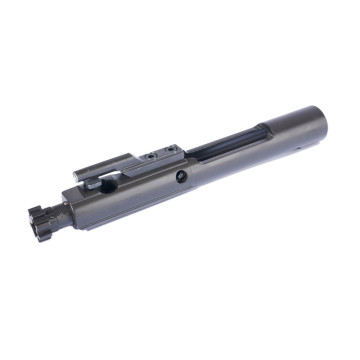
The bolt and carrier group are another major part of an AR-15's operating system.
Carpenter steel is associated with AR-15 bolt applications because of its strength and toughness characteristics. But, as with the barrel, material selection is only one part of component quality.
Manufacturing consistency, heat treatment, dimensional control, inspection, and finishing can all influence the finished component.
For customers comparing complete rifles or individual components, looking at the actual specifications provides a much better understanding of what is being purchased.
Fit, Finish and Attention to Detail
Quality is not always about one impressive specification.
Look at the smaller details.
Clean machining, consistent finishes, properly finished edges, and good component fit can all demonstrate attention to manufacturing.
The AR-15 is a modular platform containing numerous individual components. Those components need to work together as a complete system.
That makes fitment and manufacturing consistency important considerations when evaluating an AR-15.
Accuracy, Reliability and Durability
Accuracy, reliability, and durability are three qualities frequently associated with a well-made AR-15.
However, none of these characteristics comes from one component alone.
The barrel, receiver, bolt components, gas system, trigger, and other parts all contribute to the overall system. Consistent manufacturing and proper component fit are also important.
That is why a quality-focused AR-15 should be evaluated as a complete build rather than by looking at a single specification.
Why AR-15 Prices Vary
AR-15 rifles can vary substantially in price.
ARD's current catalog demonstrates this range, with complete AR-15 configurations listed at different price points and in different calibers. For example, the site currently lists an ARD 16-inch 5.56 complete AR-15 and several other configurations, while specialized builds and combinations can have higher prices.
Several factors can influence the price of an AR-15:
- Material selection
- Component quality
- Barrel specifications
- Machining requirements
- Surface treatments
- Manufacturing volume
- Quality-control procedures
- Configuration
- Finishing and design
This is why price should be considered together with the actual specifications of the rifle.
Complete Rifles, Uppers and AR-15 Components
One advantage of the AR-15 platform is its modular design.
Some customers want a complete rifle. Others may be looking for a complete upper or individual components.
AR15Depot provides dedicated categories for Complete AR15 Rifles, Complete AR15 Uppers, AR15 Barrels, AR15 Handguards, AR15 Lower Parts, and AR15 Upper Parts.
The site also offers different barrel lengths and configurations, including 16-inch, 18-inch, 20-inch, and 24-inch AR-15 barrels, along with caliber-specific options.
This variety allows customers to compare different configurations rather than being restricted to one setup.
What Should You Look For in a Quality AR-15?
When comparing AR-15 rifles, start with the fundamentals.
1. Check the Materials
Look for clear specifications for the receiver, barrel, bolt components, and other major parts.
2. Look at the Manufacturing
Material quality means more when it is combined with consistent machining and manufacturing.
3. Examine the Barrel
Consider barrel material, length, caliber, rifling, and surface treatment.
4. Consider Component Quality
The bolt carrier group, trigger, gas system, receiver, and other components all contribute to the complete build.
5. Look at Fit and Finish
Clean machining and consistent finishing can demonstrate attention to detail.
6. Compare the Complete Specification
Don't judge an AR-15 by price alone. Compare the actual components and specifications included with the rifle.
The Difference Is in the Details
A quality AR-15 is the result of many individual decisions.
The receiver material matters.
The barrel matters.
The bolt components matter.
Machining matters.
Fit and finish matter.
Quality control matters.
American Rifle Depot's current catalog reflects this component-focused approach, offering complete AR-15 rifles alongside complete uppers, barrels, handguards, upper parts, lower parts, and other AR-15 components.
Whether you're researching a complete AR-15 or comparing individual components, understanding what a product is made from and how it is manufactured gives you a better basis for evaluating quality.
Final Thoughts
The price of an AR-15 can vary considerably, but the price tag alone does not explain the quality of a build.
Materials such as 7075-T6 aluminum and appropriate barrel and bolt steels, combined with precision machining, consistent manufacturing, proper finishing, and quality control, can all contribute to the overall construction of an AR-15.
At AR15Depot, you can explore a broad selection of AR-15 rifles, uppers, barrels, parts, and accessories across multiple configurations and calibers.
When comparing your options, look beyond the appearance.
Look at the materials. Look at the components. Look at the manufacturing. That's where AR-15 quality begins.